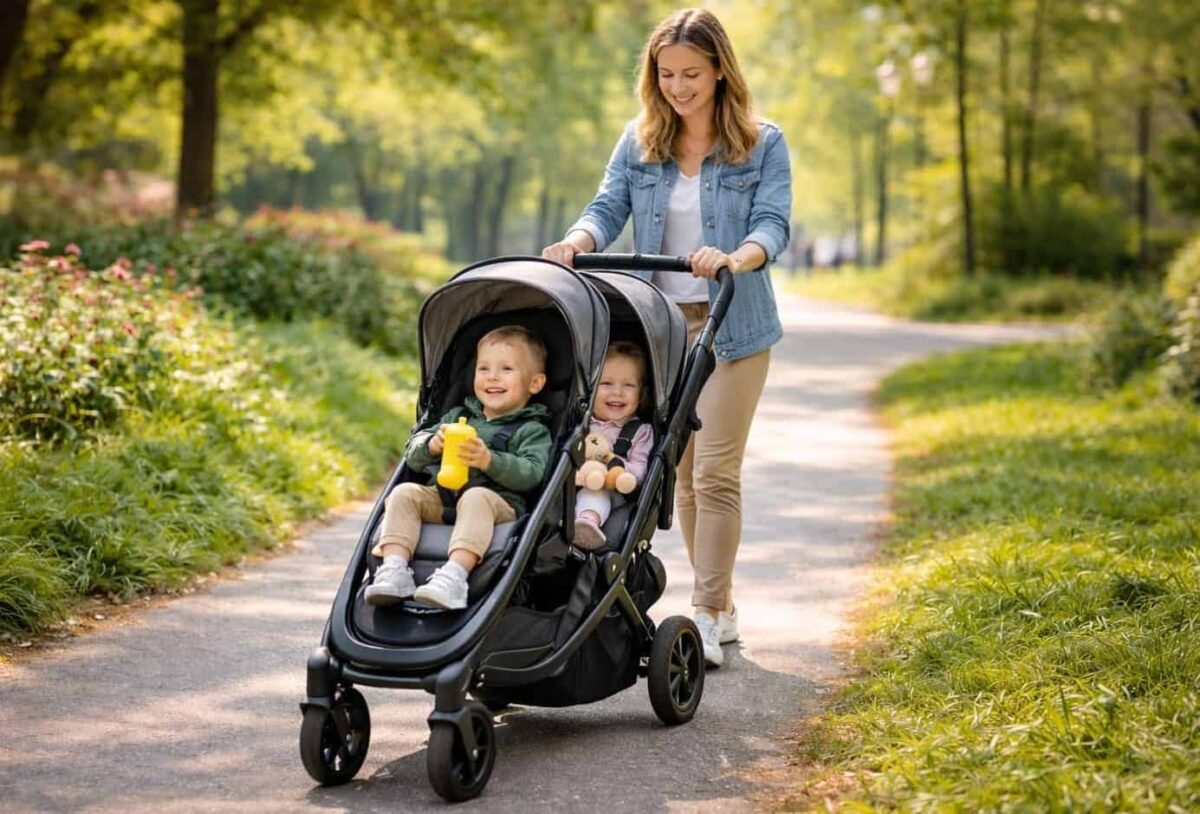
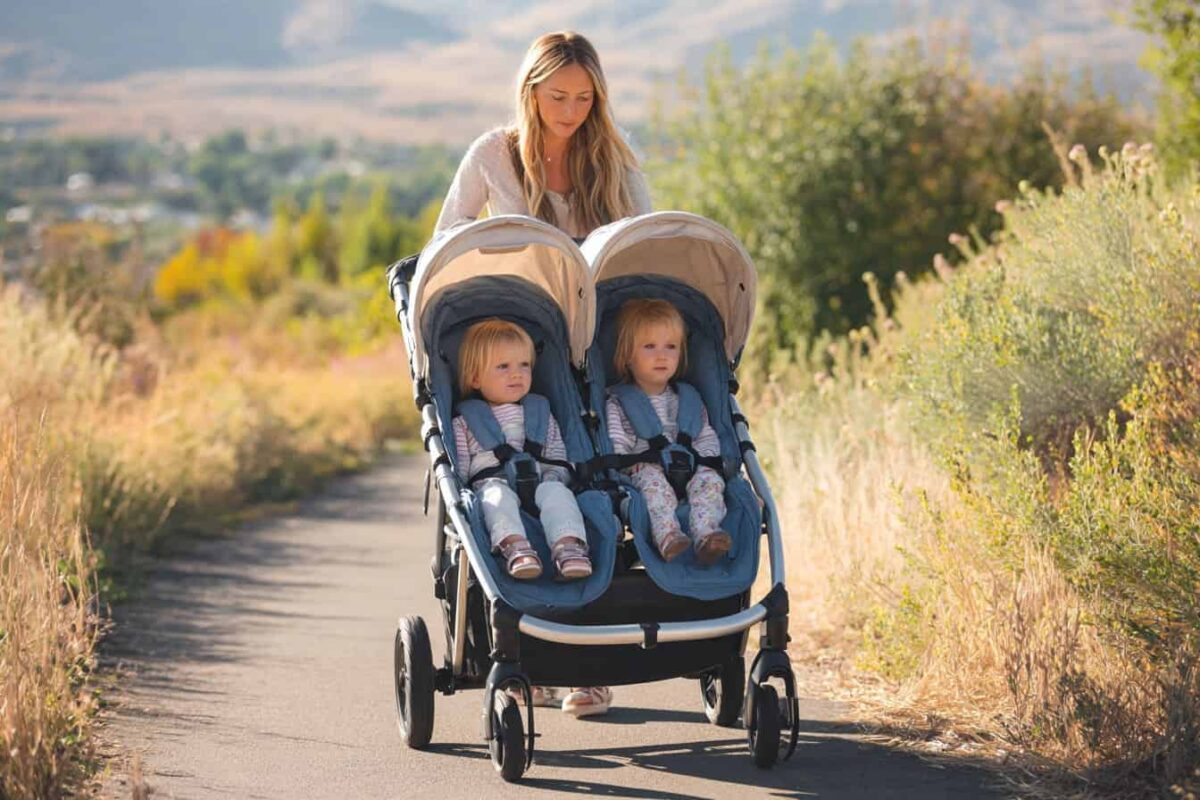
Finding the right stroller is a major investment, so his guide highlights the eleven most reliable places to test strollers before buying to ensure they can handle the real-world demands of your daily routine.
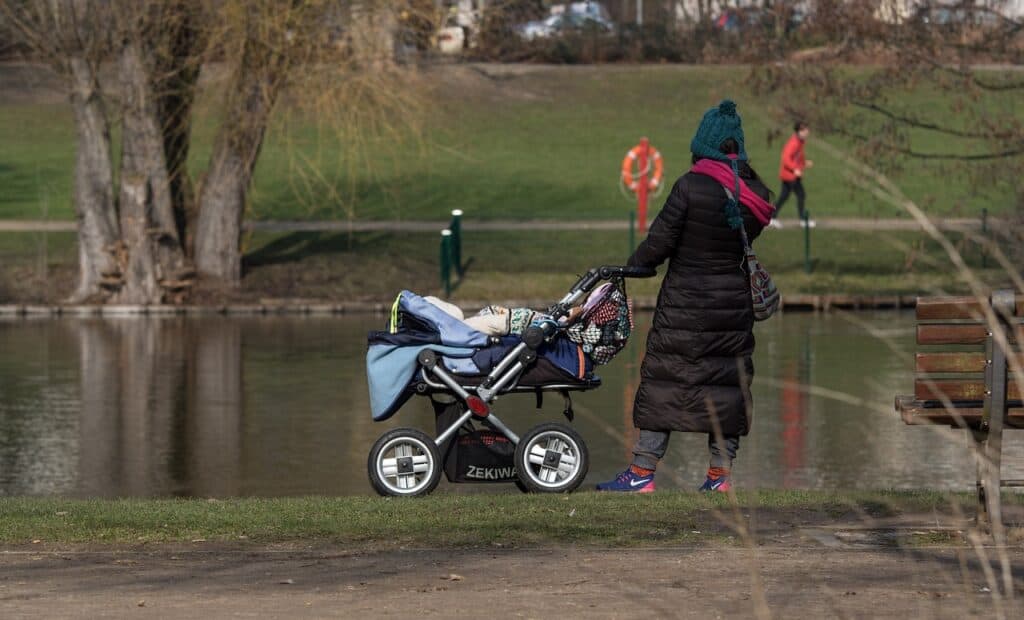
Choosing a stroller is one of the most important purchases new parents make. It’s not just about style or brand recognition—it’s about safety, comfort, durability, and how the stroller fits into your real, everyday life. That’s why experienced parents don’t rely solely on online reviews or glossy product photos. They prefer to test strollers in environments that reflect how they’ll actually be used.
In the first months and years of parenting, a stroller becomes an extension of your routine. From quick grocery runs to long afternoon walks, the right model can make life easier, while the wrong one can become a daily frustration. Below, we’ll explore the most trusted places parents go to evaluate stroller performance, stability, and usability before committing to a purchase.
Why Real-World Testing Matters for Parents
Strollers are complex pieces of baby gear. They combine moving parts, weight distribution, braking systems, and fabric components that all behave differently depending on conditions. Testing in real environments helps parents notice issues that rarely show up in controlled showroom floors.
Moreover, babies grow quickly. A stroller that feels fine for a newborn may not offer the same comfort or support six months later. Testing allows parents to anticipate long-term usability, ensuring the stroller adapts as their child grows.
Safety Standards Every Parent Should Know
Before testing any stroller, it’s important to understand baseline safety expectations. In the U.S., reputable brands comply with ASTM and CPSC safety standards. These guidelines cover stability, restraint systems, and braking reliability.
Knowing these standards helps parents evaluate whether a stroller’s real-world performance aligns with its safety claims. For official guidelines, parents often reference the U.S. Consumer Product Safety Commission, a trusted external resource for baby product safety.
11 Trusted Places to Test Strollers Before Buying
Experienced parents rely on these diverse environments to move from guesswork to confidence
1. Pediatric Clinics and Child Development Centers
Pediatric clinics may seem like an unusual place to assess strollers, but many parents trust these environments. Clinics often have smooth floors, ramps, and waiting areas that simulate daily navigation challenges.
Parents observe how easily a stroller maneuvers through doorways, whether it fits comfortably beside seating areas, and how stable it feels when stopping abruptly. These small details matter more than you’d expect.
What Makes Clinics Ideal for Evaluation
Clinics are calm, controlled spaces where parents can focus on functionality without distractions. Staff members are often knowledgeable and may even share informal feedback based on what they see families using every day.
2. Specialty Baby Gear Stores
Unlike big-box retailers, specialty baby stores encourage hands-on interaction. Parents can push, fold, lift, and adjust strollers freely, often with weighted dolls that simulate a real baby.
These stores are also ideal places to test strollers side by side, comparing suspension, handle height, and seat comfort in one visit.
Trained Staff and Hands-On Demos
Staff members are typically trained on product features and safety. Their insights, combined with physical testing, help parents narrow choices efficiently.
3. Test Strollers Before Buying on Urban Sidewalks and City Centers
City sidewalks reveal a stroller’s true personality. Uneven pavement, tight corners, and street crossings quickly highlight strengths and weaknesses.
Parents living in urban areas often insist on testing in these settings to ensure the stroller handles cracks, curbs, and crowds smoothly.
Maneuverability in Real Life
A stroller that glides in-store may struggle outdoors. City testing helps parents assess wheel quality, steering responsiveness, and braking confidence.
4. Public Parks and Walking Trails
Parks introduce varied terrain—grass, gravel, dirt paths—that challenge suspension and wheel design. Parents frequently bring strollers to parks to see how well they handle longer walks.
This is especially useful for active families who plan daily outdoor strolls.
Terrain and Suspension Insights
Testing here helps parents evaluate shock absorption and comfort, ensuring the baby isn’t jolted during uneven movement.
5. Shopping Malls and Indoor Complexes
Malls simulate real-life errands. Parents can assess turning radius, ease of stopping, and storage access while navigating crowds.
Many parents say this is where they truly understand how intuitive—or frustrating—a stroller can be.
Turning Radius and Crowds
A stroller that turns easily and stays stable in busy environments earns high trust from parents.
6. Parenting Expos and Baby Fairs to test strollers
Expos allow parents to see multiple brands in one place. These events often encourage parents to test strollers across simulated tracks designed to highlight performance differences.
It’s one of the few opportunities to compare premium and budget models under similar conditions.
Comparing Multiple Brands at Once
Side-by-side comparisons help parents notice subtle differences that specs alone can’t show.
7. Daycares and Preschool Grounds
Parents with older children often evaluate strollers near daycare entrances. These areas involve frequent stops, quick turns, and uneven outdoor surfaces.
Testing here helps parents assess convenience during daily drop-offs and pickups.
Practical Daily-Use Conditions
This environment reflects real routines, making it a highly trusted testing spot.
8. Airports and Transit Hubs
Airports are the ultimate stress test. Parents assess foldability, carrying weight, and how easily a stroller fits through security checkpoints.
If a stroller performs well here, it’s likely versatile enough for everyday use.
Foldability and Portability
Parents quickly learn whether a stroller supports one-handed folding and compact storage.
9. Suburban Neighborhoods
Quiet neighborhoods provide space to assess long-term comfort. Parents test how strollers handle driveways, curbs, and garage storage.
This setting is ideal for families who rely on cars and regular walks.
Curbs, Driveways, and Storage
Testing here reveals how easily a stroller transitions between walking and driving routines.
10. Online Communities with In-Person Meetups
Parent groups often organize meetups where members share gear. These gatherings allow parents to see how different models perform after months or years of use.
This peer-driven approach builds trust quickly.
Peer Feedback and Trust
Parents value honest opinions from others who’ve already used the stroller daily.
11. Manufacturer Demo Events
Some brands host demo days at parks or stores. Parents can test strollers in controlled but realistic setups designed by the manufacturer.
While these events are promotional, they still provide valuable hands-on experience.
Controlled Yet Realistic Stroller Testing
Parents should combine demo impressions with independent testing for balanced judgment.
Final Thought: Choosing Confidence Over Guesswork
Buying a stroller isn’t just a purchase—it’s an investment in daily comfort and peace of mind. Parents who take the time to test strollers in trusted, real-world environments consistently report higher satisfaction and fewer regrets. For a deeper look at features, safety standards, and long-term value, explore our Best Double Strollers for Infant and Toddler (2026 Guide). By choosing places that reflect your lifestyle, you move from guesswork to confidence, ensuring your stroller truly supports your family’s needs.
FAQs – Test Strollers Before Buying
1. How long should I test a stroller before buying?
Ideally, test it multiple times in different environments over several days.
2. Is in-store stroller testing enough?
It’s a good start, but outdoor testing provides better insight.
3. What should I focus on first?
Safety, maneuverability, and comfort should come before aesthetics.
4. Can I rely on online reviews alone?
Reviews help, but hands-on experience is more reliable.
5. Are demo events biased?
They can be, which is why independent testing matters.
6. Do expensive strollers always perform better?
Not necessarily—real-world testing often reveals surprising results