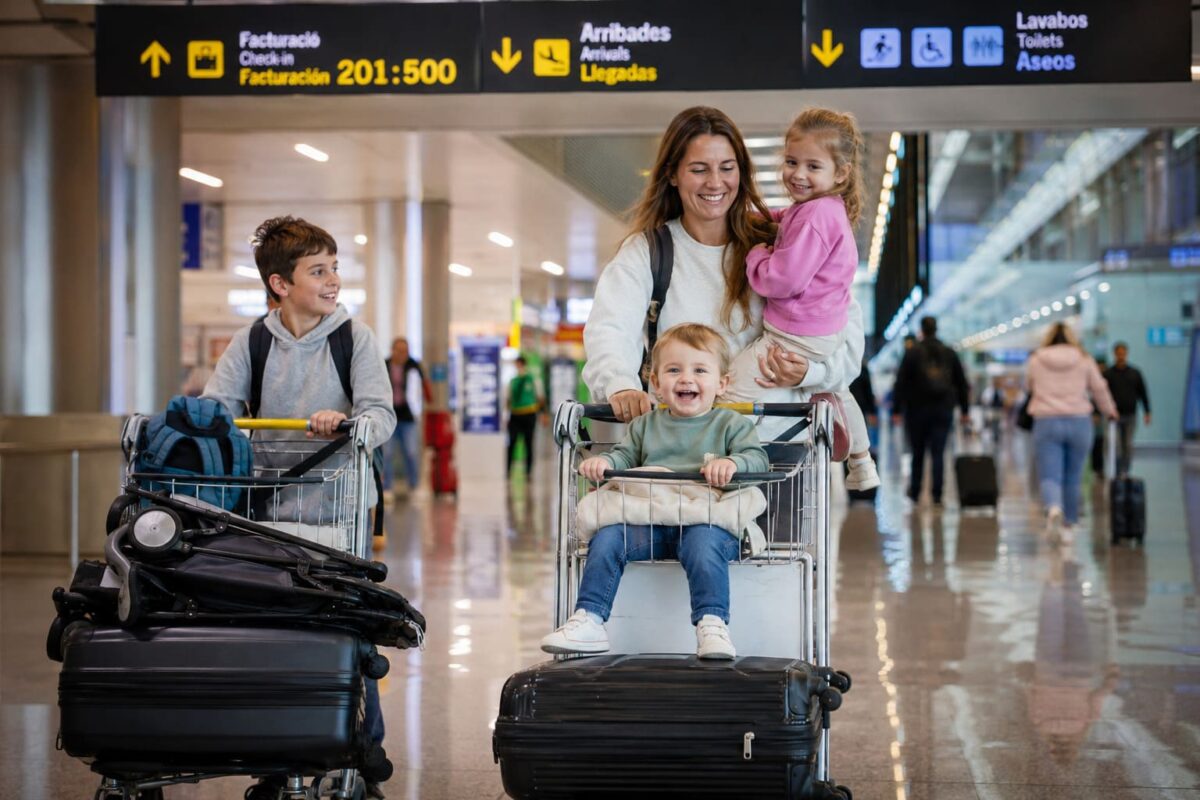
Understanding the rules for flying with kids before arriving at the airport can help reduce stress and prevent unexpected issues during travel. This guide explains the most common rules for flying with kids, along with practical tips to help families prepare for a smoother journey.
Flying with children can be exciting, but it often comes with additional planning and responsibilities. Parents must navigate airline policies, security procedures, identification requirements, and seating arrangements that may differ depending on the child’s age and destination.
General Rules for Flying With Children
Airlines typically categorize children based on age, and these classifications affect ticket prices and travel requirements. Traveling with children requires an understanding of these differences, as infants under two years old are often allowed to travel as lap infants on domestic flights. This means they sit on a parent’s lap instead of occupying their own seat. However, many aviation safety experts recommend purchasing a separate seat and using an approved child restraint system.
Children aged two years and older generally require their own ticket and seat. The ticket cost varies by airline and route, especially for international travel.
It is also important to recognize that rules for domestic flights may differ from international flights. International travel often involves additional documentation requirements and stricter identification procedures. Before booking, parents should carefully review the policies of their chosen airline to avoid surprises.
Identification and Travel Documents
Travel documentation requirements depend largely on the destination.
For domestic flights, some countries do not require young children to present identification when traveling with a parent or guardian. However, airlines may request proof of age for lap infants, particularly if the child appears close to the age threshold.
International travel almost always requires every passenger, including infants, to have a valid passport. Some destinations may also require visas.
If a child is traveling with only one parent, grandparents, or another guardian, authorities may request a notarized letter of consent from the absent parent or parents. While not always mandatory, carrying this documentation can help avoid delays or complications.
Parents should verify entry requirements well in advance of departure, as obtaining passports and visas may take time.
Seating Rules and Safety Considerations
One of the most important decisions parents face is whether to purchase a separate seat for an infant.
Lap infant travel may reduce costs, but turbulence can pose safety concerns. Using an airline-approved car seat in a dedicated seat provides additional protection and may help young children feel more comfortable during the flight.
When using a car seat, parents should ensure it is certified for aircraft use and fits within airline size requirements.
Family seating policies have also become increasingly important. While many airlines attempt to seat young children next to accompanying adults, policies vary. Parents should select seats as early as possible and confirm arrangements before departure.
Planning ahead helps minimize the chances of separation during the flight.
Baggage and Baby Equipment Rules for Flying with Kids
Traveling with children often means carrying extra equipment.
Many airlines allow parents to check strollers and car seats free of charge. Some permit lightweight strollers to be used until boarding, while others require them to be checked at the ticket counter.
Diaper bags may qualify as additional items beyond standard carry-on allowances, depending on the airline’s policies.
Families traveling with infants should also understand the rules regarding baby supplies. Formula, breast milk, baby food, and medically necessary liquids are often permitted in quantities exceeding standard liquid restrictions. These items may require separate screening at security checkpoints.
Checking airline guidelines in advance can help parents pack appropriately and avoid unnecessary stress.
Security Screening With Children
Airport security procedures can feel intimidating, especially for first-time family travelers.
Children generally pass through security alongside their parents or guardians. Older children may walk independently through screening equipment, while infants are often carried through designated checkpoints.
Baby formula, breast milk, juice, and certain medical items typically receive special consideration during the screening process. Security officers may inspect these items separately.
Parents can help children prepare by explaining the process beforehand. Knowing what to expect may reduce anxiety and encourage cooperation during screening.
Arriving at the airport earlier than usual also provides extra time to navigate security without feeling rushed.
Practical Tips for Flying With Kids
A few simple strategies can significantly improve the travel experience.
Choosing flight times that align with a child’s normal sleep schedule may increase the likelihood of a calmer journey. Direct flights can also reduce the stress associated with layovers and tight connections.
Parents should pack essential items in their carry-on luggage, including:
- Diapers and wipes
- A change of clothes
- Snacks
- Medications
- Comfort items such as blankets or stuffed animals
- Entertainment options like books or tablets
- Chargers and headphones
Managing expectations is equally important. Young children may become restless, especially during long flights. Having a variety of activities available can help keep them occupied.
Flexibility and patience often make the biggest difference.
Common Mistakes Parents Make
Assuming Every Airline Has the Same Policies
Airline rules regarding baggage, seating, and infant travel can vary considerably. Failing to verify requirements may result in unexpected fees or complications.
How to avoid it: Review the airline’s family travel policies before booking and again before departure.
Waiting Too Long to Arrange Seating
Delaying seat selection increases the chance that family members will be separated.
How to avoid it: Reserve seats as early as possible and contact the airline if assistance is needed.
A key rule for flying with kids: stop overpacking carry-on bags.
Although preparation is important, excessive baggage can become difficult to manage while supervising children.
How to avoid it: Prioritize necessities and organize items for easy access during the flight.
Additional Insights for Family Travelers
Traveling With Newborns
Some airlines have minimum age requirements for newborn passengers, often ranging from a few days to a couple of weeks after birth.
Parents should consult their pediatrician before flying with a very young infant, particularly if the child was born prematurely or has health concerns.
Flying With Toddlers
Toddlers are naturally active and may struggle with long periods of confinement.
Frequent movement before boarding, interactive toys, and scheduled snacks can help reduce frustration during the flight.
Traveling With Older Children
Older children may benefit from involving them in trip preparation.
Allowing them to pack a small bag or choose entertainment options can foster independence and excitement about the journey.
Conclusion
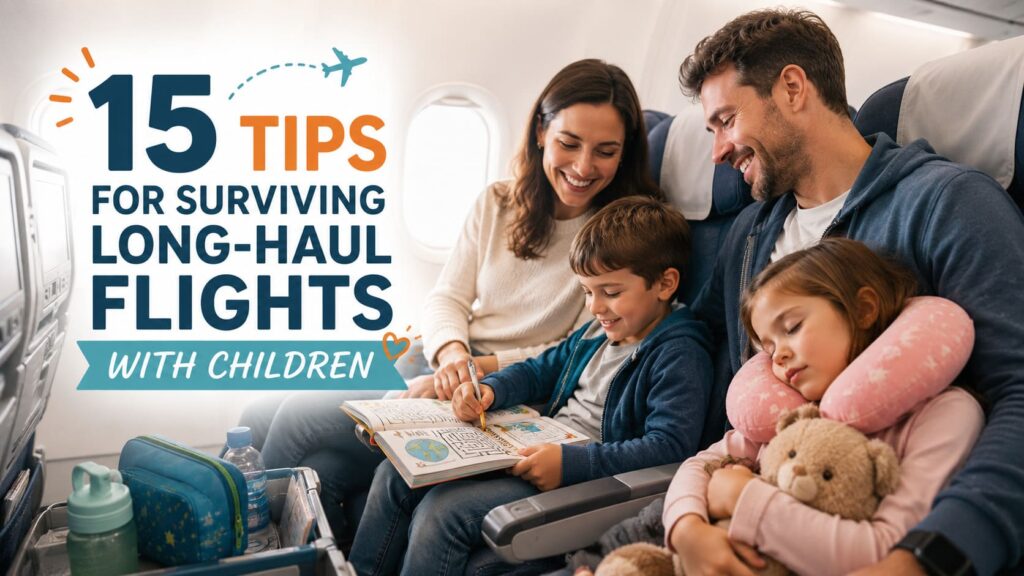
Traveling with kids requires a bit of extra prep, but knowing what to expect can make the whole experience much smoother. From sorting out travel documents and seating arrangements to packing the essentials, every bit of preparation helps ensure a comfortable journey for the family. If you’re facing a marathon journey, checking out resources like 15 Tips for Surviving Long-Haul Flights With Children can offer great strategies for keeping everyone happy. Because airline rules and destination requirements frequently change, it’s always smart to double-check the latest guidelines before you head to the airport. With the right planning, family flights can go from stressful to enjoyable, letting you focus on the adventure ahead.
FAQ – Rules for Flying With Kids
At what age can a baby fly on an airplane?
Many airlines allow healthy newborns to fly after they are a few days to two weeks old. Parents should confirm the airline’s policy and consult a healthcare provider if they have concerns.
Does my child need identification for domestic flights?
Requirements vary by country and airline. While identification may not always be required for young children, proof of age may be requested for lap infants.
Can I bring formula and baby food through airport security?
Yes. Baby formula, breast milk, and baby food are generally permitted in reasonable quantities, although they may undergo additional screening.
Do toddlers need their own airplane seat?
Children aged two years and older usually require their own ticket and seat. Even for younger infants, purchasing a separate seat may offer additional safety and comfort.
Can airlines seat families separately?
Although many airlines attempt to seat young children with accompanying adults, this is not guaranteed. Booking seats early can improve the chances of sitting together.
What baby equipment can I bring on a flight?
Many airlines permit parents to check strollers and car seats without additional fees. Policies vary, so travelers should verify details with their airline before departure.