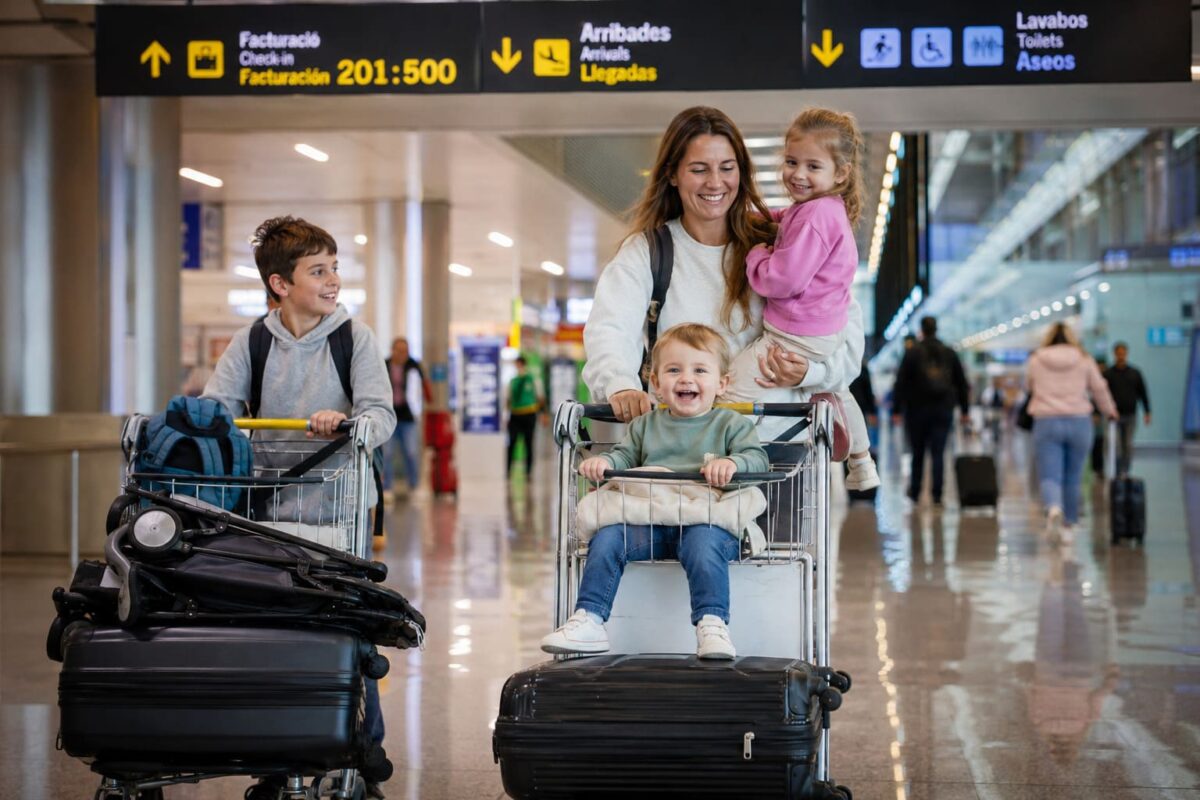
Let’s be honest, boarding an airplane for half a day with kids in tow can feel downright terrifying, but these 15 Tips for Surviving Long-Haul Flights With Children are here to save your sanity and help everyone actually enjoy the ride.
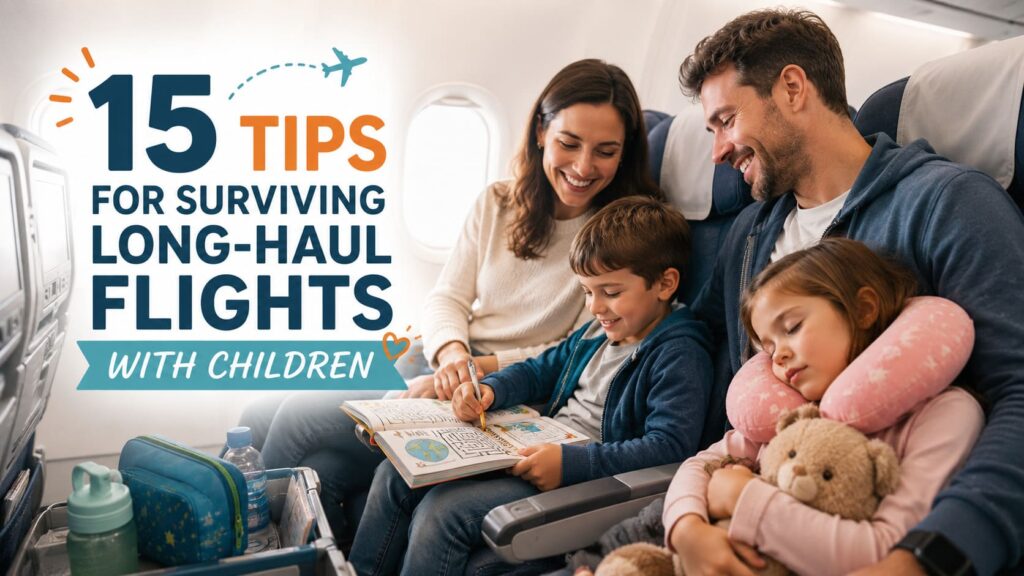
Long-haul flights can be exciting because they often lead to memorable family adventures. However, spending many hours in a confined space with children can also feel overwhelming. Between managing sleep schedules, keeping little ones entertained, handling meals, and navigating unexpected disruptions, parents often wonder how they’ll make it through the journey.
The good news is that preparation can make a significant difference. With the right strategies, long flights become much more manageable and less stressful for everyone involved. In this guide, you’ll discover practical tips to help your family stay comfortable, organized, and prepared during extended air travel.
Why Long-Haul Flights Can Be Challenging for Families
Traveling with children introduces unique considerations that adults traveling alone may not encounter. Young children often struggle with sitting still for extended periods, changes in routine, and disruptions to sleep patterns. Older children may become restless or bored if they don’t have enough activities to occupy their time.
Additionally, factors such as cabin pressure changes, limited personal space, and unfamiliar surroundings can contribute to discomfort and irritability. Understanding these challenges allows parents to anticipate potential issues and prepare accordingly.
15 Tips for Surviving Long-Haul Flights With Children
1. Choose Flight Times Strategically
Whenever possible, select flight times that align with your child’s natural sleep schedule. Overnight flights may allow children to sleep through a portion of the journey, while daytime flights may work better for children who struggle to sleep outside their usual environment.
Consider your child’s temperament and past travel experiences when deciding which option is most suitable.
2. Book Seats Carefully
Seat selection can significantly impact comfort during a long flight. Families often benefit from sitting together in a row where children have familiar support nearby.
Some parents prefer aisle seats for easier bathroom access and opportunities to walk around, while others choose window seats to provide entertainment and reduce distractions.
3. Pack a Dedicated Carry-On for Each Child
Keeping children’s belongings organized can simplify the entire travel experience. Depending on age, allow each child to have a small backpack containing their essentials.
Useful items may include:
- A change of clothes
- Favorite comfort items
- Activity books
- Small toys
- Headphones
- Snacks
- Refillable water bottles
Having these items readily available minimizes unnecessary searching during the flight.
4. Bring Plenty of Snacks
Hunger can quickly contribute to crankiness, especially when meal schedules are disrupted. Pack a variety of familiar snacks that are easy to serve and not overly messy.
Offering snacks periodically can also provide a welcome distraction during longer stretches of the journey.
5. Prepare Entertainment Options
Entertainment is one of the most effective tools for managing long flights with children. Variety is key.
Consider bringing:
- Coloring supplies
- Sticker books
- Downloaded movies or shows
- Educational games
- Audiobooks
- Puzzle activities
Rotating activities throughout the flight helps maintain interest and prevents boredom.
6. Encourage Movement During the Flight
Sitting for extended periods can be difficult for both adults and children. When appropriate and permitted by the cabin crew, encourage brief walks through the aisle or gentle stretching exercises.
These movement breaks can help children release energy and improve overall comfort.
7. Dress Children in Comfortable Layers
Airplane cabin temperatures can fluctuate considerably. Dressing children in layers allows you to adjust their clothing as needed throughout the journey.
Soft fabrics, comfortable shoes, and extra socks can contribute to a more pleasant travel experience.
8. Create a Sleep-Friendly Environment
Helping children sleep during long-haul flights can improve everyone’s mood.
Items that may support better rest include:
- Travel pillows
- Lightweight blankets
- Eye masks for older children
- Familiar stuffed animals
- White noise through headphones
Maintaining elements of the child’s bedtime routine may also encourage relaxation.
9. Manage Expectations Ahead of Time
Preparing children for what to expect can reduce anxiety and increase cooperation.
Discuss topics such as:
- Airport procedures
- Security screening
- Flight duration
- In-flight rules
- Arrival plans
Children often feel more confident when they understand the process.
10. Keep Essential Items Easily Accessible
Store frequently used items where they can be reached quickly.
Examples include:
- Wet wipes
- Tissues
- Medications
- Pacifiers
- Diapers
- Snacks
- Electronic devices
Easy access prevents unnecessary stress during the flight.
11. Plan for Ear Pressure During Takeoff and Landing
Changes in cabin pressure can be uncomfortable for children.
Helpful strategies include:
- Nursing infants during ascent and descent
- Offering bottles or pacifiers
- Providing chewing gum to older children
- Encouraging swallowing or sipping water
These actions may help equalize pressure in the ears.
12. Maintain Basic Hygiene
Long flights expose travelers to many shared surfaces. Simple hygiene practices can support overall well-being.
Consider:
- Hand sanitizer
- Disinfecting wipes
- Regular handwashing
- Changing clothes after spills or accidents
Maintaining cleanliness also contributes to greater comfort.
13. Allow Extra Time at the Airport
Rushing through the airport often increases stress for parents and children alike.
Arriving early provides time for:
- Check-in procedures
- Security screening
- Bathroom breaks
- Last-minute purchases
- Letting children move around before boarding
A calmer start often sets a positive tone for the journey.
14. Stay Flexible When Things Don’t Go as Planned
Even with careful preparation, delays, tantrums, and unexpected challenges can occur.
Approaching these situations with patience and adaptability can help prevent additional stress. Focus on solving the immediate problem rather than striving for a perfectly smooth experience.
15. Prioritize Your Own Well-Being
Parents often concentrate entirely on their children’s needs while neglecting their own.
Remember to:
- Stay hydrated
- Eat regular meals
- Rest when possible
- Accept help when offered
Taking care of yourself allows you to better support your family throughout the trip.
Common Mistakes Parents Make During Long Flights
Some common pitfalls include:
- Overpacking unnecessary items while forgetting essentials
- Relying on a single form of entertainment
- Assuming children will sleep automatically
- Scheduling overly tight airport connections
- Ignoring their own physical and emotional needs
Recognizing these mistakes in advance can help families prepare more effectively.
Additional Helpful Insights for Family Travel
Every child responds differently to travel experiences. What works well for one family may require adjustments for another. Consider conducting shorter trips before embarking on very long flights to identify strategies that suit your children’s personalities and needs. Over time, travel routines often become easier and more predictable.
Additionally, involving older children in planning can increase enthusiasm and cooperation throughout the journey. Gathering Extra Tips For Taking Long-Haul Fights with Kids can also help you feel more prepared for the adventure ahead.
Conclusion
Long-haul flights with children may seem intimidating, but thoughtful preparation can make a substantial difference. By focusing on comfort, entertainment, flexibility, and realistic expectations, parents can create a smoother travel experience for the entire family.
Part of that prep means knowing the baseline logistics before you pack your bags. Reading guides like What Are the Rules for Flying With Kids? can help you sort out everything from documentation requirements to airline stroller policies well ahead of time.
While challenges may arise, they are often temporary and manageable. With these practical tips in mind, families can spend less time worrying about the journey itself and more time looking forward to the adventures waiting at their destination.
FAQ – 15 Tips for Surviving Long-Haul Flights With Children
How can I keep my child entertained during a long flight?
A combination of activities tends to work best. Bring books, downloaded movies, puzzles, coloring supplies, and small toys to rotate throughout the journey.
What snacks are good for long-haul flights with children?
Choose familiar, easy-to-pack options such as crackers, fruit pouches, granola bars, dried fruit, and cheese snacks, while considering any airline restrictions.
Is it better to book an overnight flight with children?
It depends on the child’s sleep habits. Some children adapt well to sleeping on planes, while others rest better during daytime travel.
How do I help my child sleep on a plane?
Creating a familiar bedtime routine, using travel pillows and blankets, and minimizing distractions can encourage better sleep during the flight.
What should I pack in my child’s carry-on bag?
Include essentials such as snacks, a change of clothes, medications, comfort items, entertainment options, and hygiene supplies.
How early should families arrive at the airport?
Many families find arriving earlier than they would when traveling without children provides valuable flexibility and reduces stress.