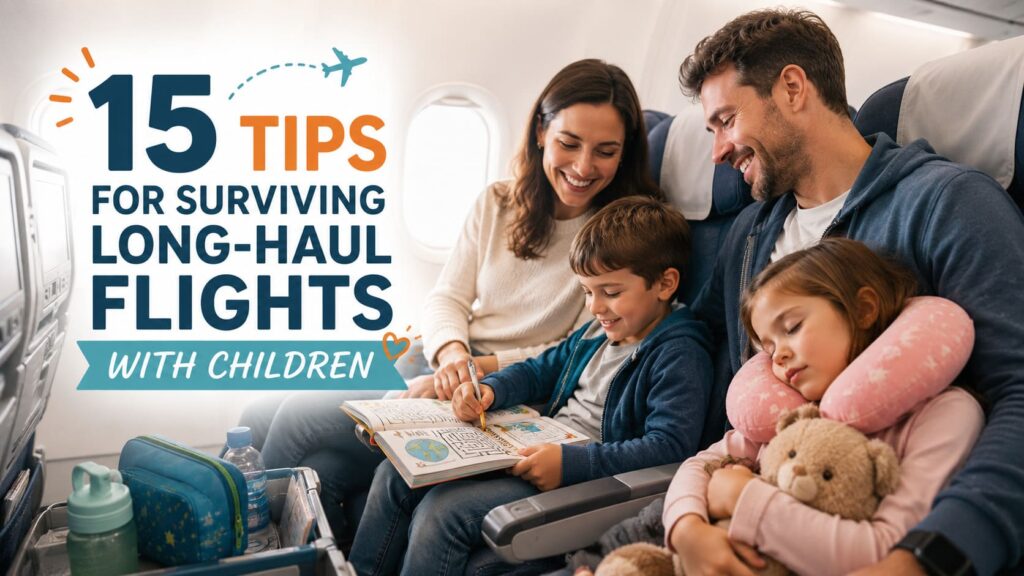
With a little planning and expectation-setting, parents can easily prepare children for their first flight and turn a potentially overwhelming travel experience into a smooth, confident journey.
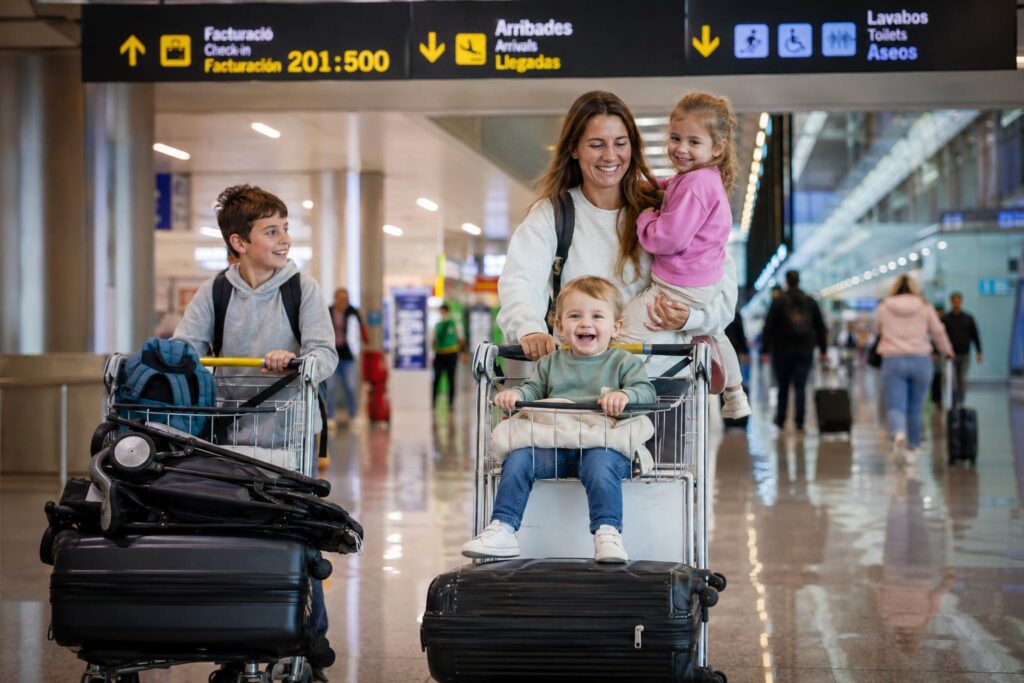
A child’s first flight can be an exciting milestone, but it can also bring uncertainty and anxiety. Airports are busy environments, airplanes are unfamiliar spaces, and the experience of takeoff and landing can feel strange to young travelers. Without preparation, children may become overwhelmed by the many new sights, sounds, and routines involved in air travel.
The good news is that a little planning can go a long way. By helping children understand what to expect, packing the right gear—such as finding the Best Strollers for Air Travel to navigate busy terminals—and involving them in the process, parents can make the experience smoother and more enjoyable. This guide explains practical ways to prepare children for their first flight, helping the entire family travel with greater confidence.
Understanding What Makes Flying New for Children
For adults, flying may feel routine. For children, however, nearly every aspect of the experience is unfamiliar.
Common fears and uncertainties
- Fear of loud noises during takeoff.
- Worry about being separated from parents.
- Anxiety about turbulence or unexpected movements.
- Frustration from long waiting periods.
- Uncertainty about airport procedures.
How children of different ages respond to travel
Age also influences how children react. Toddlers may struggle with sitting still and changes in routine, while school-aged children often have more questions about safety and the mechanics of flying. Understanding your child’s developmental stage allows you to tailor your preparation accordingly. For more information
Talk About the Flight Ahead of Time to Prepare Children for Their First Flight
One of the best ways to reduce anxiety is to discuss the upcoming trip well before departure.
Explain the airport experience
Describe the different stages of travel, including:
- Checking in.
- Going through security.
- Waiting at the gate.
- Boarding the airplane.
- Collecting luggage after arrival.
Knowing what comes next helps children feel more secure and in control.
Describe Takeoff, Landing, and Turbulence
Children may become alarmed if they experience unfamiliar sensations without warning.
You might explain that:
- The airplane moves quickly before lifting into the sky.
- Their ears may feel different because of pressure changes.
- The plane sometimes bumps during turbulence, similar to driving on a rough road.
Simple explanations can prevent unnecessary fear.
Use Age-Appropriate Language
Avoid overwhelming children with too many details. Younger children benefit from simple descriptions, while older children may appreciate learning more about how airplanes work.
Books and educational videos about flying can also help normalize the experience.
Involve Children in Trip Preparation
Participation can transform uncertainty into excitement.
Let them help pack
Allow children to choose a few favorite items to bring along. This gives them a sense of responsibility and familiarity.
Depending on their age, they can help pack:
- Clothing.
- Toys.
- Books.
- Travel pillows.
- Comfort items.
Allow them to choose comfort items
A beloved stuffed animal, small blanket, or favorite sweatshirt can provide reassurance in unfamiliar situations.
These items often become valuable sources of emotional comfort during travel.
Build excitement about the destination
Focus conversations on enjoyable aspects of the trip.
Talk about:
- Visiting relatives.
- Exploring a new city.
- Going to the beach.
- Seeing special attractions.
Anticipation can shift attention away from travel-related worries.
Prepare for Airport Security and Waiting Times
Airports require patience, which can be challenging for children.
Explain security checks
Children may feel nervous about removing shoes or walking through screening equipment.
Let them know that these procedures help keep everyone safe and that adults will stay nearby throughout the process.
Practice Patience Strategies
Discuss expectations before arriving at the airport.
Helpful reminders include:
- Using indoor voices.
- Staying close to caregivers.
- Waiting calmly when necessary.
Role-playing airport scenarios at home can make these situations feel more familiar.
Plan for Delays
Flight schedules sometimes change unexpectedly.
Bring activities and snacks that can help children stay occupied if waiting times increase.
Preparing for delays reduces stress for both parents and children.
Pack Smart
Thoughtful packing can significantly improve the travel experience.
Snacks and hydration
Hungry children are more likely to become irritable.
Pack a variety of easy-to-eat snacks, such as:
- Crackers.
- Fruit slices.
- Granola bars.
- Pretzels.
Encourage regular hydration, especially on longer flights.
Entertainment and activities
Having multiple entertainment options helps prevent boredom.
Consider bringing:
- Coloring books.
- Sticker activities.
- Small puzzles.
- Audiobooks.
- Downloaded movies or educational games.
Introducing one activity at a time can extend their usefulness.
Extra clothing and essentials
Unexpected spills and accidents happen.
Include:
- A change of clothes.
- Wipes.
- Plastic bags for soiled items.
- Any necessary medications.
- Diapers or training supplies if applicable.
Being thoroughly prepared can prevent minor inconveniences from turning into major problems. If you are looking for more specialized advice, you can find further details in Flying With Baby: Parent FAQs & Tips for Safer, Easier Air Travel to ensure a smooth journey for your littlest travelers.
Comfort Strategies to Prepare Children for Their First Flight
Comfort contributes greatly to a positive first-flight experience.
Managing ear pressure
Pressure changes during takeoff and landing can be uncomfortable.
Depending on the child’s age, encourage:
- Swallowing frequently.
- Drinking water.
- Chewing appropriate snacks.
- Using a pacifier for infants.
These actions may help equalize ear pressure.
Encouraging movement
Remaining seated for long periods can be difficult.
When permitted, brief walks through the cabin can help children release energy and improve comfort.
Supporting sleep routines
If traveling during nap time or overnight, recreate familiar bedtime cues whenever possible.
This may include:
- Pajamas.
- Bedtime stories.
- Favorite blankets.
- Quiet music.
Maintaining elements of normal routines can promote rest.
Common Mistakes Parents Make
Waiting until the last minute to explain flying
Surprising children with a major new experience can increase anxiety.
Gradual preparation gives them time to process information and ask questions.
Overpacking unnecessary items
Bringing too many belongings can make travel more stressful.
Focus on essentials and versatile activities rather than an excessive number of toys.
Ignoring children’s emotions
Even excited children may feel nervous.
Validate their feelings by listening carefully and offering reassurance without dismissing their concerns.
Simple statements such as, “It’s okay to feel a little nervous when trying something new,” can be very comforting.
Additional Helpful Insights
Flying with toddlers versus school-aged children
Toddlers often require more physical engagement and flexibility, while older children benefit from detailed explanations and increased independence.
Adapting strategies to your child’s developmental stage improves the likelihood of a successful trip.
Setting realistic expectations
No flight is perfect.
Children may become restless, emotional, or overtired despite careful preparation. Accepting that challenges may occur can reduce parental frustration.
Staying flexible when plans change
Travel often involves unexpected situations.
Approaching disruptions with patience and problem-solving can model resilience for children and help them remain calm.
Conclusion
Preparing children for their first flight involves more than packing suitcases. It means helping them understand what to expect, addressing their concerns, and equipping them with tools to navigate a new experience confidently. Through open communication, thoughtful planning, and realistic expectations, parents can transform first-time flying from a source of stress into an exciting family adventure.
While every child responds differently, preparation and flexibility can make the journey more enjoyable for everyone involved. For more detailed guidelines on regulations and age restrictions, you can also review the section on What Are the Rules for Flying With Kids? to ensure your airport experience goes smoothly.
FAQ – How to Prepare Children for Their First Flight
How early should I tell my child about their first flight?
Most children benefit from learning about the trip several days or weeks in advance. This gives them time to ask questions and become familiar with the idea of flying.
What should I do if my child is afraid of flying?
Listen to their concerns without judgment and provide simple, reassuring explanations. Books, videos, and discussions about what to expect can also help reduce anxiety.
How can I keep my child entertained on the plane?
Pack a variety of activities, including coloring supplies, books, puzzles, and downloaded content. Rotating activities throughout the flight can maintain interest.
What helps relieve ear discomfort during takeoff and landing?
Swallowing, drinking fluids, chewing snacks, or using a pacifier for infants may help ease pressure changes in the ears.
Is turbulence dangerous for children?
Turbulence is a normal part of air travel. Explaining it as similar to bumps in the road can help children understand that it is expected and generally not a cause for concern.
Should I maintain my child’s normal routine while traveling?
Maintaining familiar routines when possible can help children feel secure. Regular meal times, comfort items, and bedtime rituals may improve their overall travel experience.